DIY vs professional removals: realistic pros and cons

Moving house or relocating a business is never just about boxes and a van. It is about timing, stress, fragile furniture, parking headaches, stairs that suddenly feel steeper than usual, and the nagging question: should you do it yourself or pay for professional help? The honest answer is that DIY vs professional removals: realistic pros and cons depends on your budget, the size of the move, the amount of stuff you own, and how much risk you are willing to carry on moving day.
Some moves are perfectly manageable with a rented van, a couple of friends, and a lot of tea. Others are a recipe for smashed picture frames, sore backs, and a late-night scramble because the sofa will not fit through the door. This guide breaks down the real trade-offs, not the glossy version, so you can decide what makes sense for your move.
If you are still comparing options, it can help to understand the wider services available through a removal services provider, especially if you want a middle ground between full DIY and a full-service team.
Why DIY vs professional removals: realistic pros and cons Matters
Moving is one of those jobs where the cheapest option is not always the least expensive in the long run. That sounds obvious, but people still get caught out every week. A DIY move may look straightforward on paper: hire a van, pack the boxes, load everything, drive across town, unload, done. In reality, there are layers to it. Time, lifting technique, vehicle size, insurance, congestion, access, and the plain awkwardness of large furniture all matter.
On the other hand, hiring a professional removals team is not a magic wand. It does not remove every risk, and it is not always the right choice for a small move. But it does reduce the burden on you, and in many cases it lowers the chance of damage or delay. Truth be told, most moving disasters happen because the plan was a bit too optimistic.
This matters because the right choice depends on the type of move you are making. A one-bedroom flat in east London is a different beast from a four-bed house with a piano, garden furniture, and a narrow staircase. Commercial moves are their own story again. If you are moving a business, the cost of downtime can outweigh nearly everything else, which is why some firms look at office relocation services rather than trying to patch it together themselves.
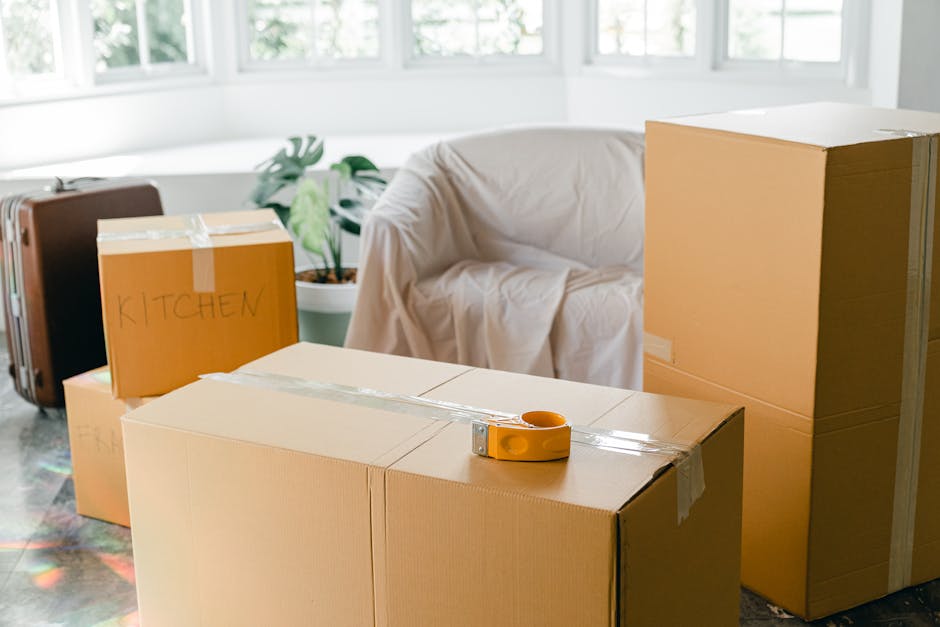
There is also a human side to it. Moving day is tiring. It gets noisy, cluttered, and slightly chaotic. If you have ever stood in a hallway at 8:30 in the morning, holding a kettle in one hand and a tape dispenser in the other, you will know the mood. The decision is not just about money. It is about energy, confidence, and what you can realistically manage without things turning messy.
How DIY vs professional removals: realistic pros and cons Works
The two approaches are very different once you strip away the marketing.
DIY removals
With DIY removals, you arrange the move yourself. That usually means sourcing boxes, packing, dismantling furniture, hiring or borrowing a van, loading everything, driving, unloading, and putting it all back together. You may also need to deal with parking, access, fuel, and timing. If friends help, great, but that introduces another variable: people have to turn up, stay motivated, and ideally not injure themselves carrying a wardrobe down the stairs.
DIY often works best when the move is small, the route is simple, and the items are manageable. A few boxes, a bed frame, a desk, maybe a compact sofa. Once the volume rises, the work grows quickly and the day can become surprisingly long.
Professional removals
Professional removals mean trained movers handle some or all of the job. That can range from a man and van arrangement for light loads to a full team for larger house removals. Usually, the service can include loading, transport, unloading, and sometimes packing and unpacking. A business may also want a vehicle suited to the job, such as a dedicated moving truck or a tailored team through a removal company.
The key difference is not just labour. It is experience. A good team knows how to wrap fragile items, stack efficiently, protect corners, and move heavy things without turning your door frame into a casualty. That familiarity saves time and, often, a fair bit of stress.
The practical middle ground
Many people land somewhere in between. They pack themselves, then hire help for lifting and transport. Or they move smaller items in a car and leave the awkward furniture to the pros. That hybrid approach is often underrated. It gives you more control without forcing you to do every heavy lift. If you want that in-between option, a man and van service is often the practical compromise.
Key Benefits and Practical Advantages
The real question is not whether DIY or professional removals is "better" in the abstract. It is what each one gives you in the real world.
Benefits of DIY removals
- Lower upfront cost if you already have boxes, help, and a straightforward route.
- More control over timings, packing order, and loading priorities.
- Flexibility if you need to move a few items in stages.
- Useful for small loads where professional support would be overkill.
DIY can feel satisfying too. You decide what goes where, you can stop for a brew when needed, and you are not waiting on someone else's schedule. For students, first-time renters, or anyone moving a short distance, it can be a very sensible choice.
Benefits of professional removals
- Less physical strain because trained movers handle the heavy lifting.
- Better efficiency through experience, planning, and the right equipment.
- Reduced damage risk for large, awkward, or fragile items.
- Less stress on a day that is already likely to be busy enough.
- More suitable for bigger homes or offices where logistics become complex.
Professional removals are especially helpful when timing matters. If you need to vacate a property by midday, or you are coordinating keys, access, and building rules in central London, the margin for error gets thin. A team that does this every day tends to spot problems before they become delays. That is worth something.
Expert summary: DIY is often best for small, simple, low-risk moves. Professional removals usually make more sense when the volume, distance, access issues, or time pressure increase. The right answer is rarely emotional; it is logistical.
Who This Is For and When It Makes Sense
This decision is not one-size-fits-all. The right choice depends on your circumstances, and sometimes the honest answer is "a bit of both".
DIY removals may suit you if:
- You are moving a small flat or a few rooms' worth of items.
- You have reliable help and everyone is physically able to lift safely.
- You can keep the move local, with limited driving distance.
- You are comfortable packing, loading, and organising on the day.
- You want to minimise cost and have time to spare.
Professional removals may suit you if:
- You are moving a larger house with a lot of furniture.
- You have stairs, narrow halls, or awkward access.
- You own heavy or fragile items like wardrobes, mirrors, appliances, or office furniture.
- You need help with packing, dismantling, or reassembly.
- You want a smoother day with fewer moving parts.
A realistic example: if you are moving a one-bedroom flat in Balham and the main items are a bed, a desk, a sofa, and a dozen boxes, DIY might be fine. But if you are in a third-floor flat in Westminster with no lift and a sofa that was clearly designed by someone who dislikes doors, it may be time to call in help.
There is also the emotional side. People often underestimate how tiring it is to make decisions while exhausted. When you are already juggling tenancy deadlines, school runs, work, and paperwork, even a small move can feel bigger than it looks. That is normal.
Step-by-Step Guidance
Here is a practical way to decide, without overthinking it into the ground.
1. List everything you need to move
Write down the major items first: beds, sofas, wardrobes, appliances, desks, and anything fragile or expensive. Then estimate the number of boxes. Be honest. Most people undercount. A lot.
2. Measure access, not just room size
Check stair widths, lift sizes, corridor turns, parking distance, and whether large furniture can actually get through the front door. Access issues are where DIY plans often wobble. It is one thing to own a sofa; it is another thing to get it past the bannister without a small drama.
3. Decide what you can lift safely
If you are not sure whether a heavy item is manageable, assume it may not be. The cost of a strained back, damaged wall, or dropped appliance can be far higher than the cost of hiring help for that one item.
4. Compare real costs, not just headline prices
DIY costs include van hire, fuel, packing materials, insurance, and possibly taking time off work. Professional costs may include labour, transport, and optional packing support. The cheapest line on a quote is not always the true cost. That one catches people out.
5. Match the option to the risk
If you are moving mostly soft furnishings and boxes, DIY may be sensible. If you have antiques, glass tables, large wardrobes, or business equipment, professional support may be the safer bet. It is not glamorous, but risk matching is the whole game.
6. Build a timeline
Start with packing, then booking parking or access if needed, then loading, then travel, then unloading. Leave breathing room. Mornings feel much smoother when there is a little slack in the schedule. By late afternoon, you will thank yourself.
Expert Tips for Better Results
These are the little things that save the day.
- Pack by room and label clearly. It sounds basic, but when the kettle is buried under four "misc" boxes, basic becomes brilliant.
- Keep essentials separate. Medicines, chargers, toilet paper, snacks, kettle, and a change of clothes should travel with you.
- Use proper wrapping for fragile items. Towels help, but they are not always enough for glass or electronics.
- Disassemble furniture early. Leaving it until the last minute is how people end up staring at six screws and a mysterious bracket at 10pm.
- Reserve parking where possible. In busy London streets, a bad parking plan can undo everything else.
- Take photos before disconnecting appliances. It makes reassembly far less annoying.
- Ask movers about lifting plans. A decent team will think about load order and access before they start, not after.
One small but useful tip: don't fill every box to the brim just because it fits. A heavy box full of books is a different creature from a box of bedding. Your wrists will know the difference very quickly. You do not want the soundtrack of moving day to be a cardboard box groaning in protest.
Common Mistakes to Avoid
Most moving problems are preventable. Not all, but most.
- Underestimating how long packing takes. Packing always takes longer than people think. Always.
- Choosing the wrong vehicle size. Too small means multiple trips; too big can be awkward and expensive.
- Ignoring access issues. Tight staircases, loading restrictions, and limited parking can slow the whole move down.
- Overloading boxes. This leads to breakages and back strain.
- Leaving essentials in random boxes. It makes the first night in the new place harder than it needs to be.
- Not checking insurance. Whether you are DIY or using professionals, this matters more than people realise.
- Assuming friends are the same as trained movers. Lovely people, yes. Professional lifting equipment, usually no.
And a gentle warning: do not rely on "we'll just wing it on the day". That phrase has caused more moving stress than bad weather and traffic combined. In our experience, a rough plan beats a hopeful one every time.
Tools, Resources and Recommendations
You do not need a warehouse full of gear, but a few basics make a big difference.
Useful DIY moving equipment
- Strong cardboard boxes in mixed sizes
- Packing tape and dispenser
- Bubble wrap or paper for fragile items
- Furniture blankets or thick covers
- Marker pens and labels
- Gloves with grip
- Ratchet straps or tie-downs for the van
- Trolley or sack truck for heavier items
Professional support options to consider
If full removals feel too much, you can still choose partial support. Packing help, furniture-only transport, or a man with van arrangement can reduce the hardest part of the move without paying for everything a full team would include. For larger loads, a removals van can be a more practical vehicle choice than a standard rental if you are moving bulky furniture.
If your move includes furniture you no longer want, a separate furniture pick up can help you clear space before moving day. That can be a quiet little win. Less clutter, less chaos.
For larger or longer-distance moves, the operational side matters too. Some people prefer a focused vehicle and crew through removals, while others need something more specific like house removals for domestic moves or commercial moves for business relocations.
Law, Compliance, Standards, or Best Practice
There is no single legal rule that says you must use professional removals, but there are practical duties and standards that matter. If you are moving yourself, you are responsible for safe lifting, safe driving, vehicle loading, and making sure nothing is left to chance in a way that creates risk. If you hire professionals, they should still operate with suitable care, insurance, and a clear process for handling items safely.
For larger moves, best practice includes checking whether the service is insured, confirming what is covered, and understanding any exclusions for fragile or high-value items. It is also sensible to ask how they handle access restrictions, parking, and delays. That may sound boring, but boring is good here.
If you are moving in London, local factors can matter too. Narrow streets, controlled parking, lift bookings in flats, and building rules often create more trouble than the furniture itself. A planned approach is far better than arriving and hoping everything works out. Hope is lovely. Not much of a logistics plan, though.
It can also help to review a provider's policies on safety, security, and complaints before booking. Pages such as health and safety policy, insurance and safety, and payment and security can give you a better sense of how a company operates.
If sustainability matters to you, it is reasonable to ask how packing waste and unwanted items are handled. A responsible mover should be able to explain their recycling and sustainability approach in plain English.
Options, Methods, or Comparison Table
Here is a clear comparison of the main options. The best fit depends on your move, not on what sounds impressive.
| Option | Best for | Main advantages | Main drawbacks |
|---|---|---|---|
| Full DIY move | Small, local moves with light furniture | Lowest upfront spend, full control, flexible timing | More physical work, higher stress, more risk of delay or damage |
| DIY packing + hired van/driver | People who want to control packing but not driving or loading alone | Balanced cost and support, less lifting pressure | Still some coordination required, may not suit large households |
| Man and van | Medium-sized moves, single-item transport, short notice jobs | Practical middle ground, quicker than DIY, less expensive than full removals | Limited capacity for larger homes, may not include packing |
| Full professional removals | Large homes, offices, fragile items, time-sensitive moves | Less stress, experienced handling, better efficiency | Higher upfront cost, less hands-on control |
For some readers, the decision is really about how much responsibility they want to carry on the day. If you want a service that can do most of the heavy lifting, moving support from a house movers team or a more specialist house removalists service may be more suitable than trying to stretch a DIY plan beyond its limits.
Case Study or Real-World Example
Here is a realistic scenario. A couple moving from a two-bedroom flat in South West London wanted to keep costs down. They packed most of their belongings themselves over two weekends, which worked fine. Books, kitchen items, bedding, clothes, all straightforward. But they had one heavy sofa, a glass dining table, and a tall wardrobe that barely fitted in the lift. That is where the DIY plan started to fray.
They initially thought a borrowed van and help from two friends would be enough. Then they measured the lift properly. It wasn't. Rather than force it and risk damage, they booked help for the furniture only and kept the rest of the move self-managed. The result was calmer, quicker, and less tense. Slightly more expensive than pure DIY, but far cheaper than a full service. More importantly, the items that could have caused the biggest problems were handled by people used to moving them.
That is the sort of compromise many people arrive at once they stop thinking in absolutes. It does not have to be all-or-nothing. Sometimes the smartest move is the one that looks a bit mixed on paper.
Practical Checklist
Use this checklist to decide which route suits you best.
- Have you listed all furniture, boxes, and awkward items?
- Do you know whether everything will fit through the doors, halls, and stairs?
- Have you checked parking or loading access at both properties?
- Do you have enough help for lifting, loading, and unloading?
- Have you priced van hire, fuel, packing materials, and insurance?
- Would delays or damage cause major problems for you?
- Do you need packing, dismantling, or reassembly support?
- Are any items fragile, valuable, or unusually heavy?
- Is the move local, or will driving add time and fatigue?
- Have you left a buffer in case things take longer than expected?
Quick rule of thumb: if your move feels simple on paper but stressful in your head, that is often a sign to get help. If it feels simple on paper and genuinely simple in reality, DIY may be perfectly fine.
Conclusion
When you strip it back, DIY removals and professional removals each have a place. DIY can save money and give you full control, especially for small or local moves. Professional removals can save time, reduce strain, and make larger or more complex moves far easier to manage. The most realistic choice is usually the one that matches your budget, your access, your item list, and your tolerance for hassle.
So ask yourself the practical questions first. How much stuff do you have? How awkward is the access? How much lifting can you honestly handle? And how much is your peace of mind worth on a day that is already going to be a bit of a whirlwind?
Choose the option that fits the day you actually have, not the perfect day you wish you had. That is usually where the real savings are.
Get a free quote today and see how much you can save.
Frequently Asked Questions
Is DIY moving cheaper than hiring professionals?
Usually, yes at the upfront level. But once you add van hire, fuel, packing materials, insurance, and the value of your own time, the gap can shrink. For some moves, DIY is cheaper in cash but more expensive in stress.
What are the biggest risks of a DIY house move?
The main risks are injury, damage to furniture or walls, underestimating the time needed, and not having enough help on the day. Poor vehicle choice and access problems also cause a lot of avoidable trouble.
When is a professional removals company worth it?
It is usually worth it when the move is large, time-sensitive, physically demanding, or full of fragile items. If access is awkward or parking is limited, professional help can also save a lot of hassle.
Can I do a hybrid move with some DIY and some professional help?
Yes, and it is often the smartest option. Many people pack themselves but hire help for heavy items, transport, or loading and unloading. It keeps costs down without making the day too punishing.
How do I know if a van will be big enough?
Measure your biggest items, count your boxes properly, and think about how furniture will be loaded. If you are unsure, it is usually safer to choose a slightly larger vehicle than you think you need.
Are professional movers better for fragile items?
In most cases, yes. Trained movers usually know how to wrap, stack, and secure fragile belongings more safely than an untrained DIY team. That said, good packing still matters either way.
Do I need to dismantle furniture before moving?
Not always, but many large items move more safely when dismantled. Beds, wardrobes, and large tables often travel better in pieces. It also makes tight stairwells and doorways easier to handle.
What should I pack separately for moving day?
Keep essentials with you: keys, documents, medicines, chargers, snacks, toiletries, a kettle if you can manage it, and a change of clothes. You will be glad you did when the first box you need is the very last one on the van.
Is a man and van service enough for a full house move?
Sometimes, but not always. It depends on the size of the property and the volume of furniture. For smaller homes or partial moves, it can be a very practical choice. For larger houses, a fuller removals team may be better.
How far in advance should I book professional removals?
As early as you reasonably can, especially if your move is happening at a busy time of year or on a popular weekend. Early booking gives you more choice and less last-minute pressure.
What if I am moving within London and parking is difficult?
Parking can be one of the biggest moving-day headaches in London. If access is tight, professional help is often useful because experienced movers are used to working around loading restrictions, busy streets, and awkward building access.
Can professionals help with packing as well as transport?
Yes, many can. Packing and unpacking support can be very helpful if you are short on time or worried about fragile items. It is worth asking about this before you book so you know exactly what is included.
How do I decide between cost and convenience?
Think about what a bad moving day would cost you in time, fatigue, and possible damage. If the move is small, DIY may be the clear winner. If the move is large or complicated, convenience may actually be the cheaper choice in the end.