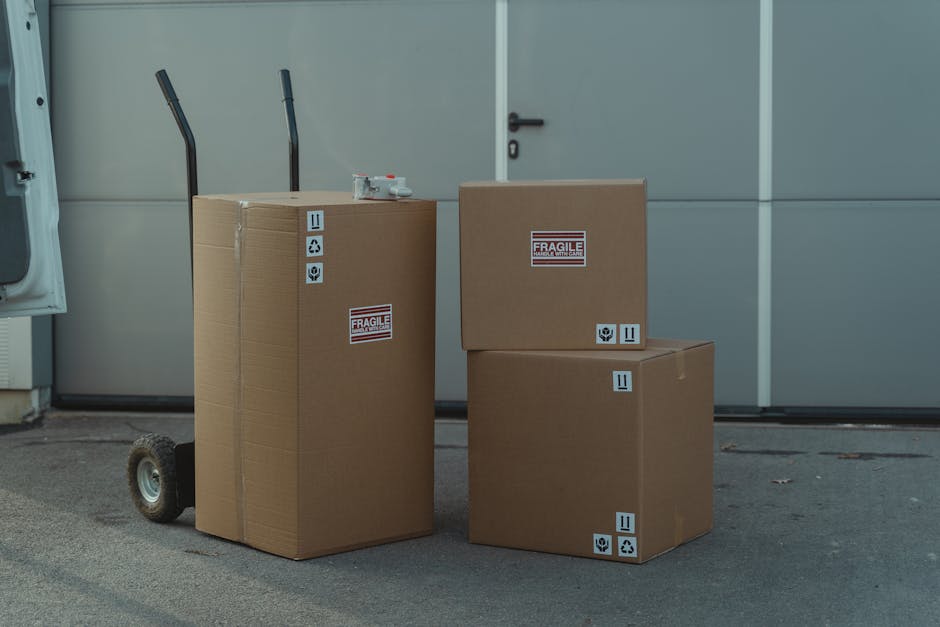
Estimating packing and transit costs before you book
If you are planning a move, the quote on the screen is only part of the story. Estimating packing and transit costs before you book helps you see the full picture, avoid awkward surprises, and choose a service that actually fits your budget. That matters whether you are moving a one-bed flat across town, shifting office kit, or arranging a bigger family move with stairs, tight parking, and a calendar that will not wait around.
The tricky bit is that moving costs are rarely one neat number. Packing materials, labour, travel time, vehicle size, access issues, and even the time of day can all affect the final bill. Get the estimate right early and everything feels calmer. Get it wrong and, well, the day can turn into a bit of a scramble.
In this guide, we will break down how packing and transit estimates work, what really drives the price, how to compare options properly, and the small details people often miss until the van is already outside.
Table of Contents
- Why estimating packing and transit costs before you book matters
- How the estimate works
- Key benefits and practical advantages
- Who this is for and when it makes sense
- Step-by-step guidance
- Expert tips for better results
- Common mistakes to avoid
- Tools, resources and recommendations
- Law, compliance, standards, or best practice
- Options, methods, or comparison table
- Case study or real-world example
- Practical checklist
- Conclusion
- Frequently asked questions
Why Estimating packing and transit costs before you book Matters
A move can look simple from the outside. Boxes go in, boxes come out. Easy, right? Not quite. Packing and transit are two separate cost centres, and they behave differently. Packing depends on how much there is to wrap, protect, label, and load. Transit depends on distance, vehicle type, route, timing, parking, and how long the crew is tied up.
Estimating both before you book gives you control. It helps you budget for the whole job rather than just the headline price. That is especially important in London and nearby areas, where parking restrictions, congestion, narrow streets, and access problems can add time quite quickly. A move from central London is not the same as a straightforward suburban run, even if the distance looks short on a map.
It also protects you from two opposite problems: underestimating and overspending, or overestimating and paying for capacity you do not need. Truth be told, most people prefer the second problem, but neither is ideal if you are trying to plan properly.
Expert summary: A good moving estimate is not just about price per hour. It should reflect packing volume, access conditions, travel time, the vehicle required, and any extras such as materials or waiting time. If a quote feels vague, ask for a breakdown before you book.
How Estimating packing and transit costs before you book Works
Most providers build an estimate from a few core inputs. Some use a quick phone or web form, while others ask for photos, a video walkthrough, or a detailed inventory. The more accurate the information, the more useful the estimate.
1. Packing volume and item type
This is the starting point. A room full of books, glassware, and awkward furniture takes more time and more protective material than a room with light household items. Fragile items, antiques, large mirrors, and electronics can all increase packing time. A wardrobe that looks simple can become a slow job if it has to be dismantled, wrapped, and reassembled carefully.
2. Packing materials
Boxes, tape, wrapping paper, bubble wrap, mattress covers, wardrobe cartons, labels, and protective blankets all add cost. Some companies include materials in the quote. Others itemise them. If you are comparing options, make sure you know which is which, because a cheap labour rate can become less appealing once materials are added on.
3. Labour time
Packing can be charged hourly, per room, per item, or as a fixed bundle. Transit is often hourly too, particularly for local moves. The key thing to watch is how the clock is measured. Does it start when the crew arrives, or when they leave the depot? Does travel time to your property count? These details matter more than people expect.
4. Transit distance and route
Short urban trips can still be expensive if they involve slow traffic, restricted streets, stairs, or difficult unloading. Longer journeys may include mileage, fuel, tolls, or extended driver time. If your route passes through busy zones or requires a second person for safe handling, the estimate may rise accordingly.
5. Access at both ends
One of the biggest cost drivers is access. Ground-floor flat to ground-floor house? Usually easier. Top-floor flat with no lift, limited parking, and a tight staircase? Not so easy. A mover will often assess whether extra labour, smaller vehicles, shuttle runs, or additional time is needed.
6. Timing and scheduling
Moves at weekends, month-end, school holiday periods, or during peak traffic windows can cost more or take longer. If you can be flexible by a day or two, you may find better value. That said, not everyone can, and that is fair enough.
7. Special handling requirements
Bulky sofas, pianos, safes, filing cabinets, or items that need particular care may require specialist handling. If you are moving office equipment, a provider such as commercial moves or office removals may price differently from a standard home move because the logistics are not the same.
Put simply, a strong estimate is a blend of volume, time, access, and risk. Not glamorous. But useful.
Key Benefits and Practical Advantages
There is a very practical reason to spend time on the estimate before booking: it helps you make a better decision with fewer headaches later. And that is usually the real goal, isn't it?
- Clearer budgeting: You can set aside a realistic amount for the move, including packing supplies and transit time.
- Fewer surprise charges: A proper estimate exposes potential extras before the job begins.
- Better service matching: You can decide whether you need a full packing service, a van-only move, or something in between.
- Smarter comparison: You can compare providers on the same basis rather than comparing one vague quote against another.
- Less stress on moving day: Nobody enjoys haggling beside a half-packed hallway while the kettle is still in a box.
- Safer handling: Accurate planning reduces the chance of rushed lifting, poor wrapping, or damaged items.
There is also a subtle but important benefit: good estimates help you spot professionalism. A provider that asks the right questions usually understands the job properly. That tends to show up again on the day.
Who This Is For and When It Makes Sense
Estimating packing and transit costs before booking makes sense for almost anyone arranging a move, but it is especially useful in a few common situations.
- Home movers: If you are relocating a flat, house, studio, or shared property, you need to know the true total cost, not just the van fee.
- People with fragile or high-value items: Extra protection and careful handling can change the budget.
- Office teams: Office relocations usually involve equipment, furniture, downtime planning, and a tighter schedule.
- Landlords and letting agents: You may need a fast turnaround, furniture removal, or a small clearance move.
- Students and first-time movers: A low estimate can be misleading if packing materials and access issues are not included.
- Anyone moving in or around London: Local traffic, parking controls, and building access can make costs more variable than people expect.
If you already know your move will involve stair-only access, parking constraints, or a tight completion window, estimating early is not optional. It is just good planning.
Step-by-Step Guidance
If you want a realistic figure, the best approach is to gather the details in a sensible order. Nothing fancy. Just a method that works.
Step 1: Make a simple inventory
Walk room by room and note the main furniture, boxes, appliances, and fragile items. You do not need a museum-grade catalogue. A practical list is enough. Include anything heavy, awkward, delicate, or unusually large.
Step 2: Separate packing from transit
Ask yourself what you actually need. Do you want full packing, partial packing, or just transport? If you are doing some packing yourself, say so clearly. The estimate should reflect the split, otherwise you will end up comparing apples and oranges.
Step 3: Check access at both addresses
Take a hard look at the route from front door to van. Are there stairs? Is there a lift? Can the vehicle park nearby? Will there be waiting time or a need for a shuttle? A five-minute walk from the van can become a thirty-minute carry if the route is awkward.
Step 4: Choose the right vehicle size
A van that is too small can mean extra trips. A van that is too big may not be necessary. The right size depends on volume, item shape, and access. Some moves work well with a man and van setup, while others need a larger moving truck or a more complete removal services package.
Step 5: Ask for a breakdown
Request separate figures for packing materials, packing labour, transit time, mileage or fuel, and any extras. If a provider only gives you one lump sum, ask what is included. A clear estimate is much easier to compare.
Step 6: Test the quote against your own plan
Once you receive the estimate, ask whether it still fits your timeline and budget. If it feels too low, something may be missing. If it feels high, look at the assumptions. Sometimes the issue is not the price; it is the scope.
Step 7: Build in a buffer
Even a strong estimate can be thrown off by last-minute changes. Add a small contingency for extra boxes, delayed access, or a bit more packing than expected. That buffer can save a lot of worry later.
Expert Tips for Better Results
After you have seen a few quotes, patterns start to appear. Here are the details that usually make the biggest difference.
- Be honest about the amount of stuff: People often underestimate how much they own. Closets have a habit of producing surprise volumes. Funny how that works.
- Send photos or a video walkthrough: This helps the mover judge access, volume, and tricky items more accurately.
- Ask about waiting time: If the team arrives but cannot start immediately because of parking or keys, that may affect the cost.
- Confirm packing materials upfront: Some quotes include boxes and wrap. Others do not. Do not assume.
- Check whether dismantling is included: Beds, tables, and wardrobes can take longer than expected.
- Be realistic about timing: A Friday afternoon move through busy roads is not the same as a quiet midweek morning.
- Use local knowledge: If you are moving within or around a specific area like Westminster or London, mention building rules, access windows, or loading restrictions early.
A small but useful habit: keep one running note of items you are still unsure about. That way you can update the estimate before booking instead of discovering the missing bits later. Nobody needs that kind of excitement.
Common Mistakes to Avoid
Most cost surprises come from a few predictable mistakes. Avoid these and you are already ahead of the game.
- Only comparing headline prices: The cheapest quote may exclude materials, waiting time, or return travel.
- Ignoring access: Stairs, parking, lift size, and distance from the van can all change the job.
- Forgetting packing labour: Boxes are one cost. Time spent packing them properly is another.
- Not mentioning awkward items: If you have large mirrors, antiques, or heavy office furniture, say so early.
- Assuming every provider prices the same way: Some charge hourly, some by room, some by load. The structure matters.
- Leaving everything until the last minute: Rushed bookings often cost more and leave less room for proper planning.
There is also a quiet mistake people make all the time: underestimating the emotional side of a move. It sounds soft, but it matters. When the estimate is clear, the day feels less chaotic. And that changes everything.
Tools, Resources and Recommendations
You do not need a complicated toolkit, but a few simple things make estimate planning much easier.
- A room-by-room inventory: The simplest and most effective starting point.
- Phone photos or a video walkthrough: Helpful for showing volume, access, and any fragile items.
- A tape measure: Useful for larger furniture, door frames, stair turns, and lift clearance.
- A packing materials list: Boxes, tape, wrap, wardrobe cartons, labels, mattress covers, and protective blankets.
- A moving day timeline: Helps you spot whether the estimate realistically fits your schedule.
- A comparison note: Record what each provider includes so you can compare like with like.
If you are looking at a full-service move, it may also help to understand the difference between packing and unpacking services, house removals, and lighter options such as man with van support. The right service level can save money if you do not need a full crew, but it can also cost more if you try to stretch a small service beyond its limits.
To be fair, this is where a lot of people get stuck. They want simplicity, but the move itself has a few moving parts. A good provider should help you untangle them.
Law, Compliance, Standards, or Best Practice
For most customers, this topic is less about formal law and more about sound practice, but there are still important standards to think about. A reputable removal company should be clear about insurance, safe handling, and its terms for cancellation, liability, and payment. That protects both sides.
If you are booking a mover, it is sensible to ask how they manage:
- goods in transit protection
- manual handling and safe lifting
- vehicle loading and securing items
- payment terms and security
- complaints and issue resolution
- sustainability or recycling of packing waste where relevant
It is also worth checking whether the estimate aligns with the company's published policies and service terms. If you are unsure, read the relevant pages carefully, especially insurance and safety, health and safety policy, payment and security, and terms and conditions. Those pages should give you a better feel for how the business works in practice.
One thing worth saying plainly: a cheap quote is not automatically bad, and a high quote is not automatically premium. What matters is whether the scope, risk, and service level are explained properly. That is the standard you want.
Options, Methods, or Comparison Table
Different moves call for different estimate styles. Here is a simple comparison to help you decide what suits your situation.
| Method | Best for | Strengths | Watch-outs |
|---|---|---|---|
| Quick phone estimate | Small, straightforward moves | Fast and convenient | Can miss access issues or extra items |
| Photo or video survey | Most home moves | More accurate than a quick call | Still depends on how clearly the space is shown |
| Detailed inventory quote | Larger or more complex moves | Better for comparing scope and cost | Takes more time to prepare |
| Hourly on-site pricing | Flexible local moves | Matches actual time used | Can rise if access is slow or job scope changes |
| Fixed-price move | Well-defined jobs | Easier to budget | Only reliable if the inventory is accurate |
If you want the most dependable estimate, a video walkthrough or detailed inventory is usually the sweet spot. Quick enough, but much better than guessing. And guessing is expensive, more often than not.
Case Study or Real-World Example
Imagine a couple moving from a two-bedroom flat in South West London to a house a short drive away. On paper, it looks simple. The route is not far. But the flat is on the third floor, there is no lift, parking outside is limited, and they have a mix of books, kitchenware, a bed frame, a dining table, and a couple of large mirrors.
At first, they ask for a generic transit price. It sounds fine. Then they look properly at the packing side and realise the job needs extra boxes, careful wrapping, and dismantling time for the bed and table. The transit itself is not huge, but the loading and unloading will take longer than they expected because of stairs and parking. A small delay at either end would have a knock-on effect.
So they update the estimate before booking. They choose partial packing for the fragile items, supply their own standard boxes, and ask the mover to confirm whether travel time, stairs, and dismantling are included. The final quote is a little higher than the first quick figure, but it is honest. More importantly, there are no surprises on the day.
That is the real value of estimating properly. Not finding the cheapest number. Finding the right one.
Practical Checklist
Use this checklist before you confirm a booking.
- Have I listed all major furniture, appliances, and fragile items?
- Do I know whether packing is full, partial, or just transport?
- Have I asked whether packing materials are included?
- Have I explained access at both properties clearly?
- Do I know if stairs, lifts, or parking issues affect the estimate?
- Have I checked whether dismantling or reassembly is included?
- Do I understand how transit time is charged?
- Have I asked about waiting time, travel time, and extra stops?
- Have I compared like with like across different quotes?
- Have I checked the company's insurance, safety, and terms?
- Have I allowed a small contingency for unexpected extras?
If you can tick most of those off, you are in a much better position. Simple, really. Just not always easy in the middle of a move.
Get a free quote today and see how much you can save.
Conclusion
Estimating packing and transit costs before you book is one of those jobs that pays you back later. It gives you a clearer budget, a calmer moving day, and a better chance of choosing the right service first time. When you understand what drives the cost, the whole process feels less opaque and a lot more manageable.
Start with an honest inventory, clarify what is included, and compare quotes on the same basis. If a provider can explain the estimate in plain English, that is a good sign. If they cannot, keep asking until it makes sense. You deserve that much.
And once the numbers are clear, the move itself has a way of feeling more possible. A bit less heavy. A bit more under control. That is usually the moment things start to click.
Frequently Asked Questions
What does estimating packing and transit costs before you book actually mean?
It means working out the likely cost of both the packing element and the transport element before you confirm a move. That includes labour, materials, vehicle time, and any extras that may affect the final price.
Why do packing and transit costs vary so much?
They vary because no two moves are identical. The amount of stuff, fragility of items, access at each property, distance travelled, and the size of the vehicle can all change the cost quite a bit.
Is a fixed-price quote better than hourly pricing?
Neither is always better. A fixed price can be great if the inventory is accurate, while hourly pricing can suit smaller or more flexible jobs. The better choice depends on how predictable your move is.
What should be included in a good moving estimate?
A good estimate should clearly show packing labour, packing materials, transit time or mileage, dismantling if needed, and any likely extras such as waiting time or difficult access.
How can I estimate packing materials myself?
List the rooms and the main item types, then think about what needs wrapping, boxing, or protecting. Books, clothes, kitchenware, glass items, and furniture usually need different materials. A provider can then refine the figure.
Do stairs or parking restrictions really affect the cost?
Yes, often more than people expect. Stairs increase labour time, and poor parking can add carrying time or delay the move. In busy urban areas, that can make a noticeable difference.
Should I send photos before getting a quote?
Yes, if possible. Photos or a short video walkthrough usually help produce a more accurate estimate because the provider can see volume, access, and any awkward items.
How far in advance should I estimate costs before booking?
As early as you can. A few weeks ahead is ideal for larger or more complex moves, but even a smaller move benefits from early planning. It gives you time to compare properly and avoid rushed decisions.
What are the most common hidden costs?
The most common ones are packing materials, extra labour for stairs or awkward access, waiting time, dismantling and reassembly, and additional travel time if the route or parking is more difficult than expected.
Can I lower packing and transit costs without cutting corners?
Usually, yes. You can reduce costs by decluttering first, packing non-fragile items yourself, booking on a quieter day if you can, and giving the mover accurate information upfront. That last one matters a lot.
How do I compare quotes fairly?
Compare the same scope of work, not just the total price. Check what each quote includes, whether materials are covered, how time is charged, and whether access issues have been factored in.
What if my estimate changes after booking?
That can happen if the inventory changes or if access turns out to be different from what was described. The best approach is to update the provider as soon as possible so the final plan stays realistic.