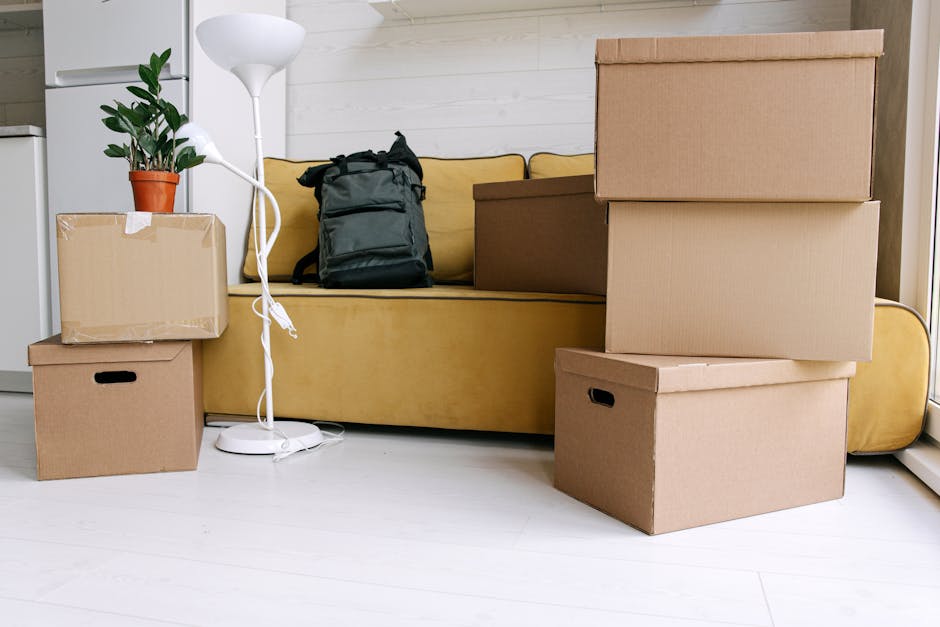
Room by room removals packing plan for a stress free move
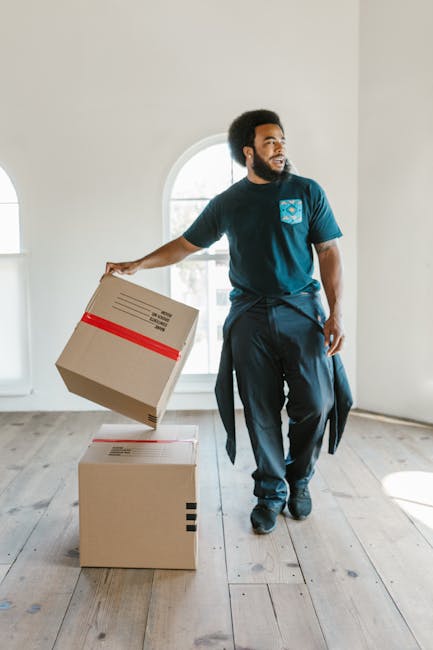
Moving house has a habit of turning even the calmest person into someone who is suddenly hunting for tape at 10pm and wondering why there are five half-full boxes in the hallway. A room by room removals packing plan for a stress free move takes that chaos and turns it into something orderly, manageable, and honestly a bit more human. Instead of packing randomly and paying for it later in broken mugs, missing chargers, and last-minute panic, you work through the home in a sensible sequence.
That is the whole idea here: pack by space, label by purpose, and keep the move under control from the first cupboard to the final lampshade. In this guide, you will get a practical system that works for flats, family homes, shared houses, and even those awkwardly shaped London properties where the stairs are narrow and the front room somehow holds everything. We will cover how the plan works, who needs it, the mistakes to avoid, and how to make moving day feel less like a fire drill.
Truth be told, most stressful moves are not caused by the van itself. They are caused by poor packing. So let's fix that properly.
- Why this packing plan matters
- How the room by room method works
- Key benefits and practical advantages
- Who it is for and when it makes sense
- Step-by-step guidance
- Expert tips for better results
- Common mistakes to avoid
- Tools, resources and recommendations
- Law, compliance, standards and best practice
- Methods and comparison table
- Real-world example
- Practical checklist
- Conclusion
- Frequently asked questions
Why Room by room removals packing plan for a stress free move Matters
There is a simple reason this approach works: your home is already organised by function, so your packing should follow the same logic. When you pack everything in one big rush, the move becomes a guessing game. Which box has the kettle? Where did the bed linen go? Why is the remote control in a box marked "misc"?
A room by room removals packing plan for a stress free move matters because it gives you control over three things that usually go wrong at once: time, space, and memory. Time goes because packing is less random. Space improves because each room is cleared in stages. Memory improves because your labels actually mean something.
It also reduces decision fatigue. Moving is full of tiny decisions, and they get tiring fast. Keep, donate, bin, pack, store, move now, move later, protect, dismantle, leave as is... it goes on. If you process those decisions room by room, your brain has a better chance of keeping up. You will notice that the whole thing feels less like a mountain and more like a series of walkable hills. Still tiring, yes. But manageable.
Expert summary: Packing by room is not just a neat method; it is a practical control system. It helps you label better, unpack faster, and avoid the classic moving-day muddle where everything important disappears into one vague box pile.
For families, sharers, and busy households, that matters even more. One person can manage the bedroom, another the kitchen, and somebody else can tackle books, paperwork, and the odd drawer full of cables that nobody claims. That division of labour is often the difference between a move that feels organised and one that feels like you are moving through wet cement.
How Room by room removals packing plan for a stress free move Works
The method is straightforward, but the details matter. You work through each room in a sequence, sorting, decluttering, packing, labelling, and staging boxes in a controlled way. The aim is not to empty the house in one dramatic weekend. The aim is to make steady progress and keep each room's items together as much as possible.
Start with the least-used rooms and finish with the essentials. That usually means storage cupboards, guest rooms, books, decor, and seasonal items first. Kitchen, bathroom, and daily-use bedroom items come later. The thinking is simple: you want the things you need every day to stay accessible for as long as possible.
A good room by room removals packing plan for a stress free move usually follows this structure:
- Choose the room.
- Sort items into keep, donate, recycle, bin, and move.
- Pack non-essentials first.
- Label every box clearly with room name and contents.
- Create a "first night" box for essentials.
- Seal, stack, and record what is packed.
It sounds basic because it is. But basic done well beats fancy done badly, every time. And if you are dealing with a narrow stairwell or a top-floor flat in London, you will be grateful for anything that reduces double-handling.
To make it even smoother, keep similar items together within each room. For example, in the bedroom you might pack books, then spare bedding, then out-of-season clothes, and leave daily clothing to the end. In the kitchen, pack serving dishes and rarely used appliances before you touch the kettle or the breakfast mugs. Small choice, big difference.
Key Benefits and Practical Advantages
The obvious benefit is reduced stress. But there is more going on underneath that, and it is worth spelling out.
| Benefit | What it means in practice | Why it helps |
|---|---|---|
| Better organisation | Each room stays grouped together | Unpacking becomes quicker and less chaotic |
| Less breakage | Similar items are packed in suitable boxes | Fragile items are easier to protect |
| Faster loading | Boxes are staged by room | Removal teams can load more efficiently |
| Lower stress | You follow a clear sequence | Less last-minute panic and fewer forgotten items |
| Better decluttering | You handle items room by room | It is easier to spot duplicates and waste |
There is also a financial angle, even if it is not always obvious at first. When your packing is organised, you are less likely to need emergency supplies, replacement items, or an extra frantic trip back to the old property because a box of paperwork went missing. That is not glamorous, but it is real.
Another practical gain is that it helps removals teams do their job properly. If you are using a professional service such as a removal company or booking support like packing and unpacking services, clear room labelling makes collection, transport, and unloading much smoother. Less confusion on the day means less chance of items ending up in the wrong room at the new place. Sounds small. It is not small.
Who This Is For and When It Makes Sense
This approach suits almost anyone moving home, but it is especially useful if you are dealing with one or more of the following:
- a family home with lots of mixed-use rooms
- a flat move with limited storage and awkward access
- a last-minute move with a short packing window
- shared accommodation where items are easily mixed up
- downsizing, where decisions about what to keep matter more
- long-distance or multi-stage moves
- moves involving children, pets, or older relatives
It also makes sense if you are packing with a removal schedule in mind. For example, if the van is arriving in the morning and the building has a strict parking arrangement, you do not want to be still deciding which shelf goes where. In those situations, room-based packing is not just helpful; it is a sanity saver.
If you are doing the move yourself, this plan helps you make the most of whatever transport you have, whether that is a man and van setup, a removal van, or a larger vehicle for a full household move. If you are comparing options, you may also find it useful to look at home moves and house removals as broader services that can support the packing plan.
Let's face it, moving is rarely neat. But this method gives you a way to be organised even when life is a bit upside down.
Step-by-Step Guidance
1. Start with a moving calendar
Work backwards from moving day. Decide what needs to be done two weeks out, one week out, and on the final day. If you leave everything to the last weekend, you will feel it. Most people do.
A practical schedule might look like this:
- 2 weeks before: declutter storage areas and rarely used rooms
- 10 days before: pack books, decor, spare linens, and seasonal items
- 1 week before: start wardrobes, guest rooms, and office materials
- 3 days before: kitchen extras, bathroom backups, and non-essential electronics
- 24 hours before: essentials box, final documents, daily-use items
2. Tackle one room at a time
Choose a single room and finish it before moving on. Do not scatter half-packed boxes across three different spaces. That way lies madness, or at least an annoying Sunday.
Begin with rooms that are easiest to strip back. A spare room, loft cupboard, or study often offers a clean start. Once you have momentum, you can move into more complex rooms like the kitchen or family bathroom.
3. Sort before you pack
This is where the real saving happens. Packing unwanted items is just carrying clutter to a new address. Be honest with yourself. If it is broken, duplicated, unloved, or never used, make a decision now.
Useful sorting categories include:
- keep
- donate
- recycle
- sell
- bin
- pack for immediate use
4. Pack by function inside each room
Not everything in a room should go into the same box type. Heavy books need small boxes. Lightweight bedding can go into larger boxes. Fragile glassware needs cushioning. Picture frames need flat packing. The room label tells you the destination; the box contents tell you what is inside.
That level of detail may sound fussy. It is not fussy when you are on the other side of the move looking for the only frying pan you own.
5. Label clearly and consistently
Use a simple format: room, contents, priority. For example, "Kitchen - mugs, plates, kettle - open first." Consistency matters more than prettiness. A label written with a marker that smudges in damp weather is no help at all, and British moving days do love a bit of drizzle.
6. Create a first-night box for every key person
At minimum, each household should have one essentials kit with toiletries, chargers, medication, snacks, basic tools, and a change of clothes. If you are moving with children, keep comfort items close too. A favourite toy or bedtime book can save a lot of noise later in the evening.
7. Stage boxes by load order
Put boxes in a corner or room that the movers can access easily. Keep walkways clear. If possible, stage the heaviest and most robust items near the exit and keep fragile or last-minute items separate. The loading process gets much easier when the home is not full of obstacles.
8. Protect the new home as well
Good packing is not only about the old property. You also want the unpacking process to feel sane. Place room labels on the side of boxes where they can be seen quickly. Use colour-coded stickers if you like. Not essential, but very helpful.
Expert Tips for Better Results
In practice, the best packing plans are the ones that are simple enough to follow when you are tired. Here are a few tips that make a real difference.
- Pack the least useful items first. If you have not used it in six months, it is probably not urgent.
- Keep one "do not pack yet" zone. This is useful for passports, keys, ongoing paperwork, and daily medication.
- Take photos of cable setups. TV stands, desk wiring, and router connections are easy to forget and annoying to rebuild.
- Don't overfill boxes. A box may be technically sealed, but if you can barely lift it, it is not a good box.
- Use towels and linens as padding. This saves space and reduces waste.
- Pack a room in layers. Finish shelves, then drawers, then storage corners. It gives you visible progress, which helps mentally.
One small thing people often miss: pack the awkward items earlier than you think. Tall lamps, odd art, spare curtain poles, and under-bed storage are easy to leave until the end. They take up a surprising amount of time when you are already tired.
And if you are moving within London, factor in parking and access. A top-floor flat with a narrow stairwell is not the place to discover that your "big box" is too big. Been there, seen that. It is not fun.
If you need help with transport or lifting, a service like man with van removal or movers can help reduce the physical load, especially for awkward items or quick local moves.
Common Mistakes to Avoid
Most packing mistakes are predictable. The good news is that once you know them, you can dodge them pretty easily.
- Packing without decluttering. This is the most common one. You move junk, not just belongings.
- Mixing rooms too early. One box for "stuff from everywhere" becomes a headache later.
- Using too few labels. If every box says "misc," you have created future confusion on purpose.
- Leaving essentials until last. Toothbrushes, chargers, kettle items, and medication should be easy to find.
- Ignoring weight distribution. Heavy items belong in small boxes, not oversized ones you can't lift.
- Forgetting access constraints. Some homes need more planning because of stairs, lifts, parking permits, or tight entrances.
- Not checking insurance or packing expectations. If a removal service is involved, know what is covered and what is not.
There is another subtle mistake: trying to make the whole process look finished before it is actually finished. That is how people end up packing the bathroom twice because the first version seemed tidy but was not practical. Function first, aesthetics second. Always.
Tools, Resources and Recommendations
You do not need fancy gear, but having the right basics makes the work easier and safer.
| Tool or supply | Best use | Why it matters |
|---|---|---|
| Strong cardboard boxes | General packing | Protects items and stacks well |
| Packing tape | Sealing boxes | Prevents spills and broken flaps |
| Marker pens and labels | Clear identification | Helps loading and unpacking |
| Bubble wrap or paper | Fragile items | Reduces breakage risk |
| Utility knife or scissors | Opening and dismantling | Makes assembly and disassembly easier |
| Zip bags | Screws and fittings | Keeps small parts together |
| Protective covers | Mattresses and upholstery | Helps keep furniture clean in transit |
If you want support beyond boxes and tape, consider whether professional help is worth it for your situation. Some people just need a vehicle and a pair of extra hands, which is where services such as man with a van or removals van can be practical. For larger household moves, a more complete service may be the better call.
For planning, a simple notebook or spreadsheet is usually enough. Track each room, what has been packed, any items that need special care, and what still remains. Nothing fancy. Just something you will actually use.
Law, Compliance, Standards, or Best Practice
For a domestic move, there is usually no special legal paperwork for packing itself, but there are still sensible standards and best practices to keep in mind. If you are using a removals provider, it is wise to check exactly what their service includes, what your responsibilities are, and how items are handled. Contracts, liability, payment terms, and cancellation conditions should be clear before moving day. That is just good practice, really.
If the move involves tenants, landlords, building managers, or residents' associations, there may also be access rules, lift booking procedures, parking requirements, or time restrictions to follow. In London especially, these details can make or break a smooth moving day. A blocked entrance or missed booking can turn a tidy plan into a waiting game.
Health and safety matters too. Boxes should not be overloaded, walkways should stay clear, and hazardous household items should be handled with care according to general household safety guidance. If you are unsure about anything fragile, heavy, or awkward, ask the removal team for advice before packing. Better a quick question now than a dropped box later.
For customers using a professional provider, it also makes sense to review insurance and safety information, especially for high-value, bulky, or delicate items. If you want to understand the company's approach to this, the pages on insurance and safety and health and safety policy are useful reference points. That kind of clarity builds confidence and keeps expectations realistic.
Options, Methods, or Comparison Table
There is more than one way to pack for a move, but room-by-room is usually the most practical for a typical home. Here is a simple comparison.
| Method | Best for | Pros | Cons |
|---|---|---|---|
| Room by room packing | Most home moves | Easy to organise, label, and unpack | Needs discipline to stay on track |
| Item type packing | Large inventories or collections | Great for category control | Can mix locations and create extra confusion |
| Last-minute whole-house packing | Emergency moves | Fast in the moment | Highest stress, most breakage risk, hardest to unpack |
| Professional packing service | Busy or complex moves | Saves time, reduces effort | Higher upfront cost than doing it yourself |
For most people, the room-based method gives the best balance of control and simplicity. If you are managing a business or moving a workspace, though, the approach can shift. In that case, office and commercial support such as office relocation services or commercial moves may be more relevant because the packing priorities are different. Paperwork, equipment, and continuity tend to matter more than a domestic "first night" box.
Case Study or Real-World Example
Here is a realistic example from the sort of move many people recognise. A couple in a two-bedroom London flat needed to move on a Friday afternoon, with a van booked for early evening. They had not packed everything, but they had about a week to get themselves under control. The mistake they almost made was packing by mood instead of by room. So they stopped, reset, and used a room by room removals packing plan for a stress free move.
They started with the spare room, which had become the home of old books, unused luggage, printer paper, and Christmas decorations. That room took one evening. Next came the living room, where decor, blankets, and a stack of random charging cables were sorted and labelled. The kitchen was saved for last because it was the most time-sensitive. They kept the kettle, one frying pan, a couple of mugs, and basic cutlery aside until the final day.
The biggest win was not just the packing. It was the unpacking. In the new place, boxes could be sent straight to the right rooms without a guessing game. They found the bedding quickly, made the bed first, put the kettle on, and had something to eat before the evening got away from them. Small victory, but honestly that is the kind that matters most after a move.
What helped them most was the discipline to stop mixing categories. Once they committed to one room at a time, everything got calmer. Not perfect. Just calmer. And calmer is good.
Practical Checklist
Use this checklist as your moving day anchor. Keep it visible. Tick it off as you go.
- Choose the packing order of rooms
- Buy or collect enough boxes, tape, and labels
- Declutter each room before packing begins
- Pack storage items and rarely used items first
- Keep heavy items in smaller boxes
- Label each box with room and contents
- Mark fragile boxes clearly
- Set aside chargers, documents, medication, and keys
- Create first-night boxes for each person
- Protect furniture and mattresses
- Keep screws and fittings in labelled bags
- Stage packed boxes near the exit where possible
- Confirm access, parking, and timing for moving day
- Check whether professional support is needed for lifting or transport
Quick reminder: if a box is hard to carry, it is probably too heavy. And if you cannot tell what is inside, future you will not be thrilled.
Conclusion
A room by room removals packing plan for a stress free move is not complicated, but it is powerful. It gives you structure, lowers the risk of breakage, and makes both moving day and unpacking day feel more under control. That is the real goal. Not perfection. Control.
If you remember only one thing, make it this: pack by room, label clearly, and keep essentials separate. Those three habits solve a surprising amount of moving-day stress. Add sensible support from professionals where needed, and the whole experience becomes much more manageable.
Whether you are moving across town, across London, or just across a few busy weeks of life, a thoughtful packing plan makes the difference between constant scrambling and calm progress. It is a small bit of structure that pays you back again and again.
If you want a more tailored move plan or support with packing, transport, or a full household relocation, now is a good time to take the next step.
Get a free quote today and see how much you can save.
Frequently Asked Questions
What is a room by room removals packing plan?
It is a moving method where you pack one room at a time instead of mixing the whole house together. The aim is to stay organised, reduce stress, and make unpacking much easier.
Which room should I pack first?
Usually the least-used room comes first, such as a spare room, storage area, or home office. Save everyday essentials, like kitchen items and daily clothing, for later.
How far in advance should I start packing?
Ideally, start two weeks before the move if you can. That gives you enough time to work steadily through each room without turning the process into a last-minute scramble.
Do I need special boxes for every room?
Not special boxes for every room, but the box size should suit the contents. Heavy items like books need smaller boxes, while lighter items such as bedding can use larger ones.
How do I label boxes properly?
Use the room name, a brief contents note, and a priority tag if needed. For example: "Bedroom - winter clothes - open first." Clear labels save a lot of time later.
What should go in a first-night box?
Pack toiletries, chargers, medication, a change of clothes, snacks, basic tools, and important paperwork. If you have children, add comfort items and anything that helps bedtime feel normal.
Is it better to hire packers or do it myself?
That depends on time, budget, and how complex the move is. If you are busy or moving a large household, professional help can be worth it. If you want control and are not rushed, doing it yourself works well.
How can I avoid breakages during the move?
Use the right box size, wrap fragile items properly, and do not overload boxes. It also helps to pack heavy items separately and keep delicate pieces clearly marked.
What if I'm moving from a flat with difficult access?
Then room-by-room packing becomes even more useful because it helps reduce confusion and speed up loading. You should also think about lift access, stairs, parking, and vehicle size early on.
Can I use this packing plan for office moves too?
Yes, but the priorities are different. Offices usually need more focus on equipment, documents, continuity, and scheduling. For that kind of move, a commercial or office relocation service is often the better fit.
How do I keep my move less stressful overall?
Keep the packing plan simple, start early, and make decisions room by room. Be realistic about what you can do in one day. A steady plan beats a heroic late-night packing marathon every time.
What should I do with items I no longer want?
Sort them into donate, recycle, sell, or bin as soon as you find them. If you wait until moving day, they usually end up coming with you out of pure panic.
Where can I get help if I need transport or packing support?
You can look at local moving support, van hire, or packing help depending on the size of your move. If you need extra hands, a van, or a fuller service, it is worth checking options early so you are not left scrambling at the end.